

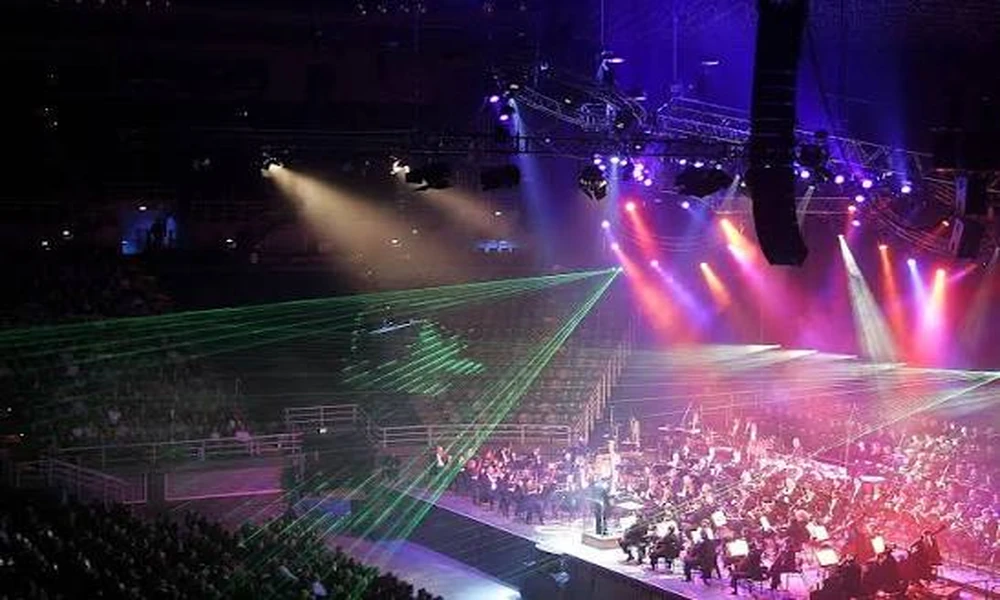
A stage that looks steady to the audience can still produce bands or uneven colour in photographs. If a corporate presentation uses LED lighting or a large electronic backdrop, include actual photography in the technical rehearsal. Let the photographer assess the camera result and discuss any difficulty with the lighting team while changes remain possible. Visual approval from the room alone does not answer that production question.
Your eye and the exposure do not sample light in the same way
Imagine a Toronto event producer walking into a completed presentation room. The backdrop looks clean, the speaker position is well lit and the corporate colours appear as expected. A colleague takes a photograph and notices dark stripes that nobody sees on the stage itself. It is tempting to dismiss that image as a phone problem, or to assume a professional camera will automatically avoid it.
Neither conclusion should replace a proper test. Sony’s technical explanation of flicker in photography describes how changing light output can interact with the camera’s exposure. Different parts of an image can be recorded under different brightness conditions. A source can appear steady while its behaviour over time still matters to the camera.
The same manufacturer guidance distinguishes ordinary anti-flicker shooting from the problems associated with higher-frequency LED lighting. The available response depends on the camera and lighting situation. A feature name on a specification sheet is therefore not a general promise that every illuminated backdrop will photograph cleanly. Ask the photographer to identify which camera will cover the speaking position and use that camera for the relevant rehearsal photographs.
For the producer, the useful consequence is organizational: make the real stage available to the person responsible for photographing it. Name the opening presentation cue in the rehearsal schedule and identify the photographer who will check its result with the lighting lead. The photographer can then assess the actual exposure and decide which available approach suits both the light and the live assignment.
A camera test can also reveal that the first worrying image does not reproduce the professional setup’s behaviour. That is a legitimate finding. The purpose is to replace speculation with evidence from the intended equipment and stage, not to guarantee that a fault will be found. Keep an isolated example in proportion until the people responsible have examined it.
Make the rehearsal resemble the speaking moment
A useful rehearsal includes the stage state that will exist during the presentation. A neutral room-light setting may tell little about a later scene with a bright backdrop, dimmed fixtures and a person at the speaking position. Tell the photographer which lighting cues and screen appearances matter, and arrange time to observe them rather than offering only a quick look before they are programmed.
When commissioning event photography for a Toronto presentation, include that rehearsal requirement in the discussion of access and coverage. The event producer can ask the team to allow for the technical check as part of the agreed assignment. Waiting until the opening remarks to introduce a complicated stage-lighting concern leaves fewer choices and competes with the photographs the event already needs.
Have somebody stand where the speaker will actually be. An empty stage may show the backdrop but cannot show how the same arrangement records a face or a person against it. Use an appropriate stand-in and make clear which positions are part of the programme. This need not become a portrait session or require the executive to attend every production adjustment.
Identify any materially different presentation states. A full-screen sponsor graphic, a bright slide and a darker holding screen may create different conditions. The lighting and photography teams can determine what is worth checking. Give them the information rather than demanding a photograph of every slide or assuming one example settles the entire programme.
Protect enough time for the result to be inspected. Hearing that several frames were taken is different from knowing what they showed. A rushed check in which the camera is packed away before anyone reviews the relevant images has missed the decision the rehearsal was meant to support. Arrange a short, workable interval with the people who can act on the finding.
Give the photographer and lighting team room to resolve the image
If a problem appears, bring the actual photograph into the discussion. Describe where it was taken and which lighting state was active. “The backdrop has bands in this frame during the opening cue” is more useful than a general announcement that the lighting is bad. It lets the team examine a defined condition without turning the rehearsal into an argument about whose equipment is at fault.
The solution may involve photographic choices, lighting choices or a change in how the required scene is covered. The responsible professionals should weigh those choices against the live event. A setting that improves a static test could have consequences for moving speakers or another part of the coverage. The producer’s role is to communicate priorities and authorize agreed production changes, not to impose an isolated fix.
Keep the audience experience and stage operation in the same discussion. Do not ask a photographer to change a lighting console, or ask an unassigned colleague to alter a programmed system while the lighting team is working elsewhere. A coordinated adjustment has an owner. If something cannot be changed, the event team needs to understand the limitation and the photographic approach that will be used.
After an adjustment, check the relevant scene again. Then tell the people running the show which tested arrangement is being retained. A later cosmetic change to the backdrop or lighting can reopen the question, so include the photographer when a significant change occurs. This is particularly useful when several departments can request last-minute alterations without seeing one another’s decisions.
Close the rehearsal with a stage state that has been seen through the intended camera and an agreed response to any remaining difficulty. The room can still look exactly as the audience expects. What has changed is that “it looks fine from here” has been replaced by an actual photograph and a production decision made while the stage was available.
