

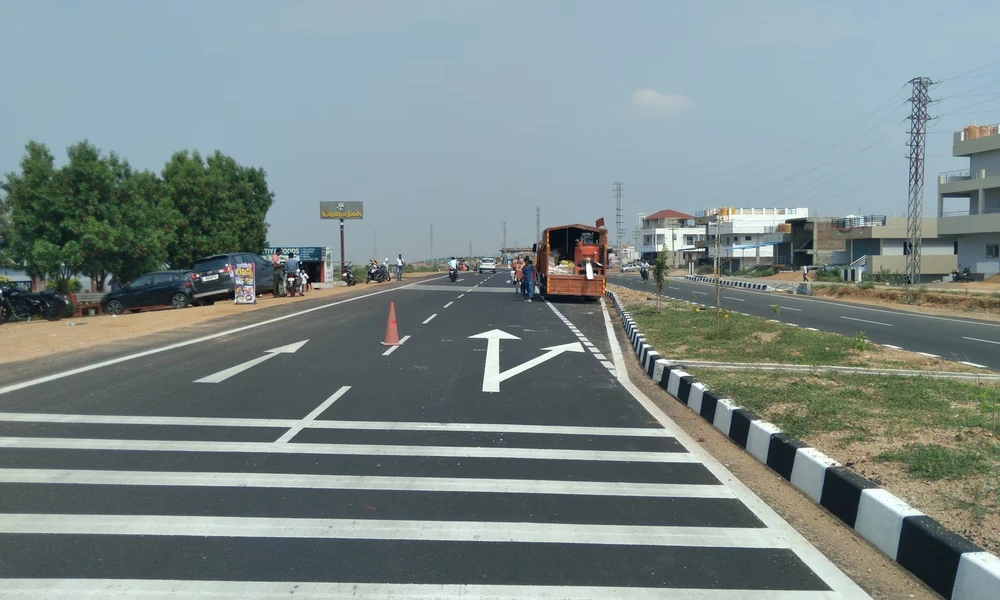
Lane Striping as Infrastructure Maintenance
Lane and pavement marking are infrastructure that property owners and facility managers think about only when it fails – when lines fade to the point where parking lot users have to guess at intended parking configurations, when fire lanes are no longer clearly marked, when pedestrian crosswalks have faded to suggestions rather than visible markings. The consequence of this inattention is gradual rather than sudden, which makes it easier to defer and harder to notice until the deficit is significant.
Professional lane striping is not simply painting lines on pavement. It involves selecting the appropriate material for the surface and use case, preparing the surface for proper adhesion, applying markings to the required dimensions and specifications, and sequencing the work to minimize disruption to the facility during application and drying. Each of these components affects both the initial quality and the durability of the finished markings.
Utah Lane Striping Services that meet professional standards use thermoplastic or durable traffic-grade paint appropriate to the traffic volume and surface type, apply to properly prepared surfaces, and produce markings that meet the dimensions required by Utah fire code, ADA requirements, and facility-specific needs.
Material Selection and Durability
Water-based traffic paint is the most common and least expensive striping material. Applied correctly to a properly prepared surface, it provides one to two seasons of clear marking before requiring reapplication. In high-traffic areas and under Utah’s freeze-thaw winter conditions, paint may require annual reapplication to maintain adequate visibility.
Thermoplastic – applied hot and bonded chemically to the pavement surface – provides significantly longer service life than paint in high-traffic and high-exposure conditions. Thermoplastic driveway and parking lot markings typically last three to seven years in Utah conditions, withstand snow plow contact better than paint, and maintain visibility through the winter degradation that fades paint markings significantly. The higher initial application cost is offset by the extended service interval.
Reflective glass beads applied to thermoplastic and some paint formulations improve nighttime visibility by retro-reflecting headlight illumination back to drivers. This is the standard for roadway lane markings and is appropriate for private parking lots and driveways with significant nighttime use.
ADA National Network provides technical guidance on accessible parking marking requirements including van-accessible space dimensions, access aisle specifications, and the signage requirements that accompany ADA-compliant parking space markings – standards that apply to any re-striping project regardless of when the lot was originally marked.
Project Execution and Coordination
Lane striping requires temporary closure of marked areas during application and the drying period – typically two to three hours minimum for paint, slightly less for thermoplastic. Coordinating work timing to minimize impact on facility operations requires advance communication with building management and users, particularly for multi-tenant facilities where individual tenants may not share information about the planned work.
Surface preparation before striping significantly affects how long the finished markings last. Clean, dry pavement free of oil contamination, dust, and debris allows proper adhesion; contaminated or wet surfaces produce markings that peel and fade faster than on properly prepared pavement. Contractors who include surface cleaning in their scope – rather than quoting only the marking application – are providing the preparation that makes their work last.
Documentation of the work – photographs before and after, a record of the materials used and their specifications – is useful for maintenance scheduling, warranty claims if markings fail prematurely, and property management records that track when services were last performed.
